Cashless Vending: The Ultimate Convenience Experience
In a world where convenience is king, cashless vending machines are revolutionizing the way we purchase snacks, beverages, and other essentials. Imagine walking up to a vending machine, selecting your favorite item, and completing the transaction in mere seconds—all without fumbling for coins or cash. This seamless experience is not just a trend; it’s a significant shift in consumer behavior and technology.
The Rise of Cashless Transactions
The shift towards cashless transactions has been accelerated by several factors:
Technological Advancements: With the rise of smartphones and mobile payment apps, consumers are more comfortable using digital wallets.
Health and Safety Concerns: The COVID-19 pandemic has heightened awareness around hygiene, leading many to prefer contactless payment methods.
Consumer Preferences: Younger generations, in particular, favor the speed and convenience of cashless transactions.
Statistics That Matter
According to a recent study by the Federal Reserve, cash transactions accounted for only 19% of all payments in 2021, down from 26% in 2019. This trend indicates a growing acceptance of cashless options across various sectors, including vending.
How Cashless Vending Works
Cashless vending machines utilize various technologies to facilitate transactions. Here’s a breakdown of how they operate:
Payment Options: Most cashless vending machines accept multiple payment methods, including:
Credit and debit cards
Mobile wallets (e.g., Apple Pay, Google Pay)
QR codes
User Interface: The machines are equipped with user-friendly interfaces that guide customers through the purchasing process. Touchscreens often display product images, prices, and nutritional information.
Security Features: Advanced encryption technologies ensure that transactions are secure, protecting both the consumer and the vendor.
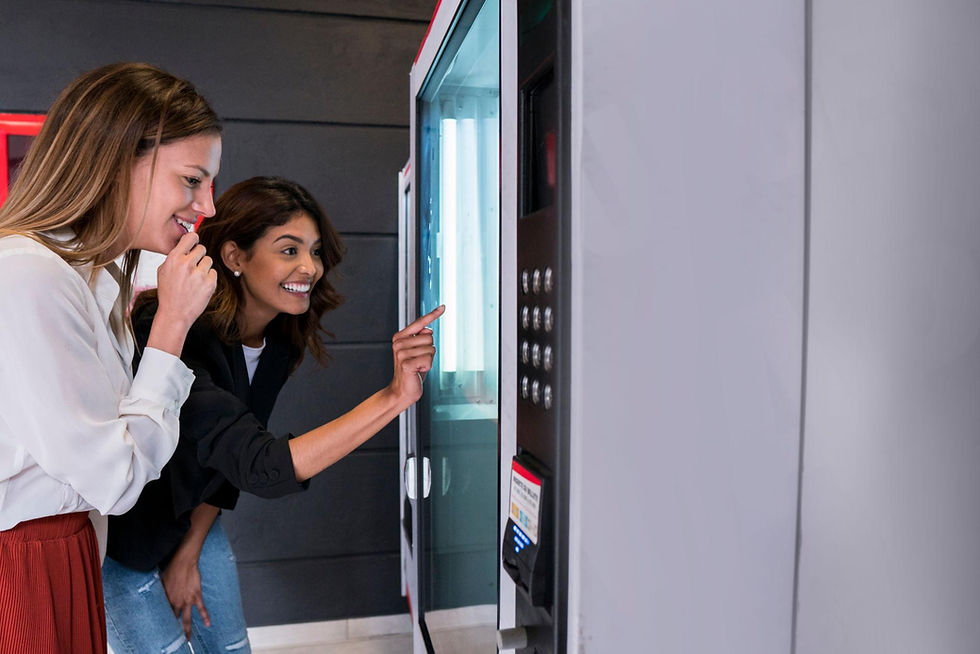
Example of a Cashless Vending Machine

Benefits of Cashless Vending
The advantages of cashless vending extend beyond mere convenience. Here are some key benefits:
Enhanced Customer Experience
Speed: Transactions are completed in seconds, reducing wait times.
Accessibility: Cashless machines are often placed in high-traffic areas, making them easily accessible to consumers.
Increased Sales for Vendors
Broader Customer Base: By accepting cashless payments, vendors can attract a wider audience, including those who prefer not to carry cash.
Higher Average Transaction Value: Studies show that cashless transactions often lead to higher spending per visit.
Improved Inventory Management
Cashless vending machines can be equipped with smart technology that tracks inventory levels in real-time. This allows vendors to:
Optimize Stock Levels: Ensure popular items are always available.
Reduce Waste: Minimize the chances of expired products.
Challenges of Cashless Vending
While cashless vending offers numerous benefits, it is not without its challenges:
Initial Investment Costs
Setting up cashless vending machines can require a significant upfront investment. Vendors must consider:
Machine Costs: Cashless machines are typically more expensive than traditional ones.
Payment Processing Fees: Vendors may incur fees for processing cashless transactions.
Technical Issues
Like any technology, cashless vending machines can experience technical difficulties, such as:
Connectivity Issues: Machines rely on internet connections for processing payments, which can be problematic in remote areas.
Software Glitches: Regular maintenance and updates are necessary to ensure smooth operation.
The Future of Cashless Vending
As technology continues to evolve, the future of cashless vending looks promising. Here are some trends to watch:
Integration with Smart Technology
The integration of artificial intelligence (AI) and machine learning can enhance the cashless vending experience. For example, machines could learn consumer preferences and suggest items based on past purchases.
Sustainability Initiatives
As consumers become more environmentally conscious, vending companies are exploring sustainable practices, such as:
Eco-friendly Packaging: Offering snacks and beverages in biodegradable or recyclable packaging.
Energy-efficient Machines: Investing in machines that consume less energy.
Expansion into New Markets
Cashless vending is not limited to snacks and drinks. Expect to see machines offering a wider range of products, including:
Healthy Options: Fresh fruits, salads, and organic snacks.
Everyday Essentials: Toiletries, electronics, and even meal kits.
Conclusion
Cashless vending is transforming the way we think about convenience. With its ability to enhance customer experience, increase sales, and improve inventory management, it is clear that this trend is here to stay. As technology continues to advance, the possibilities for cashless vending are endless.
Next time you encounter a cashless vending machine, take a moment to appreciate the convenience it offers. Whether you're grabbing a quick snack or a refreshing drink, remember that this innovation is just one example of how technology is reshaping our everyday lives. Embrace the change and enjoy the ultimate convenience experience!


Comments